Why Childhood Never Really Ends?
What Kafka's Letter to His Father Reveals About All of Us

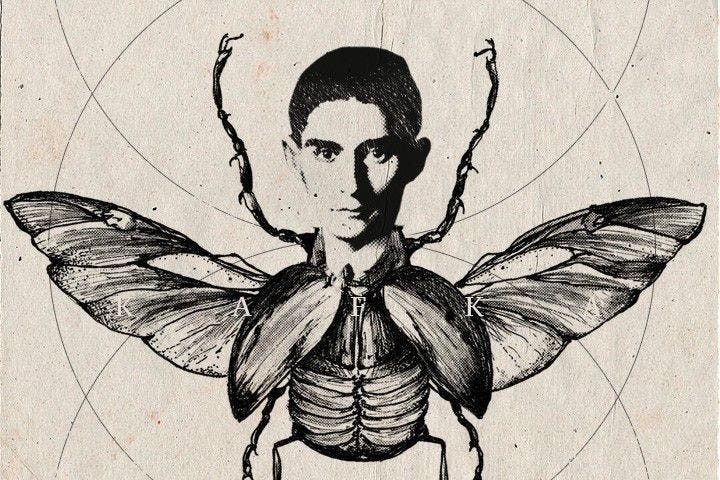
There is a sentence I hear in therapy far more often than people expect. It rarely sounds dramatic. It is usually hidden inside ordinary complaints about relationships, anxiety, perfectionism, or the inability to feel good enough. After enough conversation, it quietly emerges: “I just wanted my parents to see me.” The details change from person to person. Some wanted approval. Others wanted protection. Others simply wanted to feel emotionally safe. Yet beneath these different stories lies the same psychological longing. Long before we wanted success, romance, or purpose, we wanted to be known by the people whose eyes first taught us who we were.
Few writers captured this longing more painfully than Franz Kafka. His Letter to His Father is not merely a personal document about a difficult parent. It is a psychological portrait of what happens when a child grows up feeling chronically small in the presence of someone whose approval feels impossible to earn. Kafka describes a father who appeared overwhelmingly powerful, emotionally intimidating, and impossible to satisfy. Whether every detail reflects objective reality is almost beside the point. What matters psychologically is the world Kafka carried inside himself. He developed a profound sense of inadequacy, a relentless self-consciousness, and the painful belief that something about him was fundamentally insufficient. Those themes did not remain inside his childhood. They became the emotional atmosphere of his adult life and eventually the foundation of much of his writing.
When people read Kafka, they often focus on the absurdity of his stories. They notice the bureaucracy of The Trial or the horror of The Metamorphosis. What they sometimes miss is that beneath these narratives lies the emotional experience of a child trying to exist in a world that constantly feels larger, more powerful, and more condemning than he is. Gregor Samsa does not simply wake up as an insect. He wakes up believing that his worth depends entirely on what he can provide. Josef K. does not simply face an unexplained trial. He carries the haunting feeling of being guilty without fully understanding why. These stories continue affecting readers because they describe emotional realities that many people quietly recognize within themselves.
One of the greatest misunderstandings about childhood is the belief that it ends when childhood ends. Intellectually, most adults know they are no longer six years old. Psychologically, however, many continue organizing their lives around emotional conclusions they reached decades earlier. A child who repeatedly experiences criticism may become an adult who constantly anticipates rejection. A child who learns that love depends upon achievement may become an adult who cannot rest without guilt. A child who never feels emotionally safe may later struggle to trust partners who genuinely care for them. The body grows older, but the nervous system often continues expecting the world it learned during its earliest relationships.
This is why people are sometimes surprised that insight alone changes so little. Someone may understand exactly why they fear abandonment or why they keep choosing emotionally unavailable partners. They may know their attachment style, recognize the influence of childhood, and accurately describe every important event that shaped them. Yet their emotional reactions remain remarkably similar. They still panic when someone pulls away. They still feel guilty when setting boundaries. They still believe they have to earn love rather than receive it. Understanding your history is important, but understanding alone rarely transforms the emotional habits your nervous system has spent years rehearsing.
